
• Julia Nilstål
As a company grows and develops, so does the importance of sustainable working methods that take responsibility for both our planet and its inhabitants. For us consumers, competitive prices and a well-stocked product range are no longer enough when choosing retailers and suppliers. For many of us, it is also becoming increasingly important that the company in question takes its environmental responsibility, as well as ensuring good working conditions and fair terms for everyone.
A well-developed strategy sets the internal framework for these important issues, as well as creating transparency for consumers and other stakeholders. Hasta's sustainability strategy is an important part of the brand and forms the basis for the company's continued sustainable development.
The circular mindset
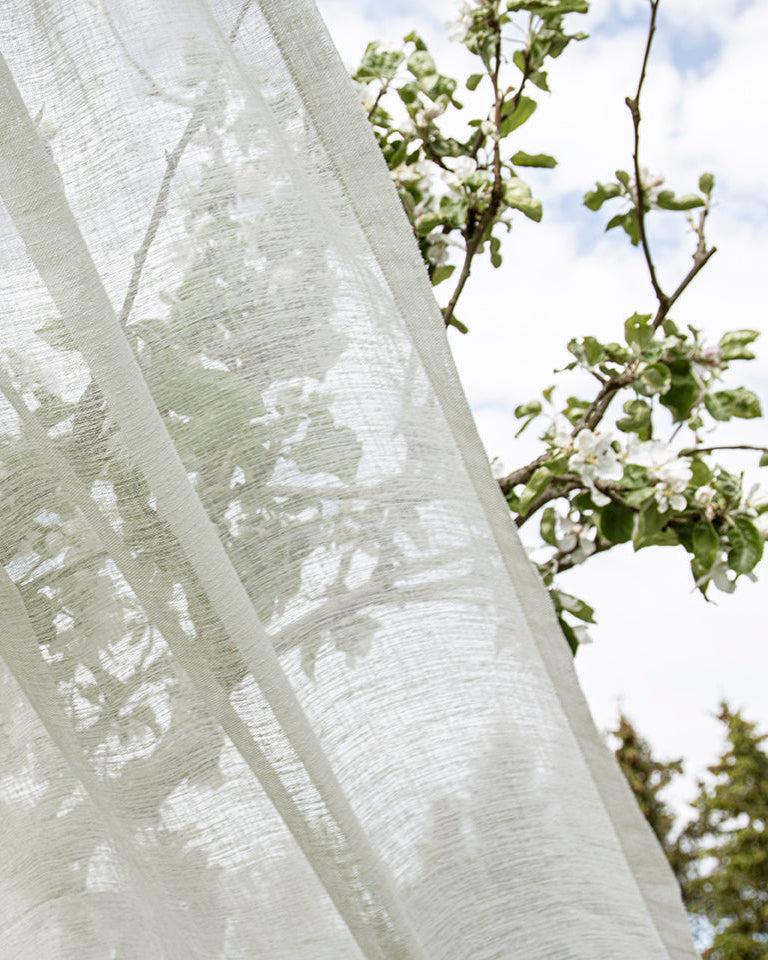
The circular approach is an important and recurring concept across all parts of the group. From the beginning, reuse has been self-evident for Hasta Home, where waste fabric from the production of curtains and sunshades is used to make new products instead of being discarded. Hasta manufactures new products themselves, which are then sold on, but also donates a large amount of waste material to schools and other organizations where the fabric is used for various creative projects. Packaging material is primarily reused for new products, and in cases where this is not possible, recycling is a natural part of the company's environmental policy.
Even returned goods that for various reasons cannot be resold are given a new chance to be used in a meaningful way. In connection with the ongoing refugee crisis in Ukraine, there was a great local need to arrange temporary housing for many people. Hasta donated a large number of returned curtains that could be used to create a homely environment in these accommodations.
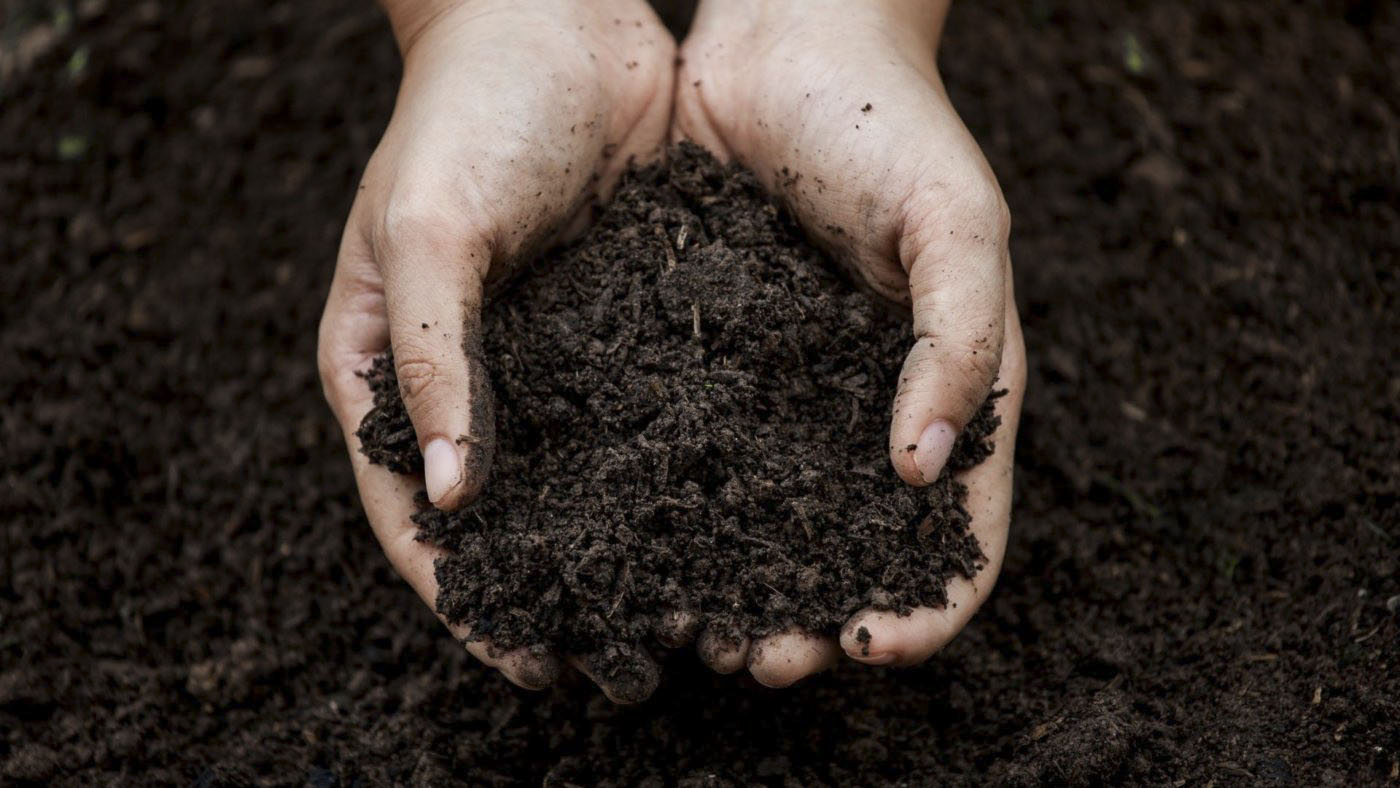
In addition to curtains and sunshades, which the company has historically been primarily associated with, there are also the new parts of Hasta consisting of organic farming and the sale of gluten-free, organic food. Here, a revolutionary cultivation method is used where carbon dioxide is stored in the cultivated soil and thus used as nutrition. This not only prevents carbon dioxide from being released into the atmosphere, but also means that artificial chemicals are not used at all.

Hållbart liv
The "Sustainable living" collection consists of products developed with sustainability in focus. This can range from curtains made from recycled materials, a beautiful toiletry bag made from waste fabric, or a curtain rail made from environmentally friendly materials. The products are marked with a special logo, making it easy for customers to choose products that are kind to the environment.
Hasta continuously works to increase its sustainable assortment, and just as the collection's name indicates, "Sustainable living" is about more than just products – for Hasta, it's a mindset and a way of working that is continuously and actively integrated into all parts of the organization. Inspiration images and social media often show how one and the same product can have multiple uses, including how curtain rings become beautiful napkin rings when setting the table. Reusing, mixing old and new, newly purchased and inherited, is something Hasta actively works to show more of in future campaigns and thereby inspire its customers towards consumption that takes our environment and our planet into account.
A broader perspective
As a growing company, it's crucial to analyze how working methods and other organization-related decisions affect our surroundings and the world in a broader perspective, even beyond the company's boundaries. How can we as a company reduce our negative impact on the environment? Hasta's sustainability strategy presents several measures based on sustainability – both short and long term. For Hasta, it's important to go a step further, to make active decisions that truly contribute to positive development on a local as well as a global level.
For Hasta, the ecological and generative approach to farming is not only something that benefits the company's own operations but also something that can open up a whole new way of looking at cultivation far beyond the organization itself. By spreading and sharing its knowledge, Hasta hopes to inspire other actors to implement the same system and thereby pave the way for the future of agriculture – locally as well as internationally.
Finally, Hasta is working to connect the different parts of the group where everyone can benefit from each other. Part of this is that customers who shop via Hasta Home should have the opportunity to offset their purchases in collaboration with Hasta Eco by buying local carbon offsets. Through the possibility of making a positive impact in their local area, Hasta hopes to motivate its customers to make this choice and join the journey of working together towards a better world.